Visão geral
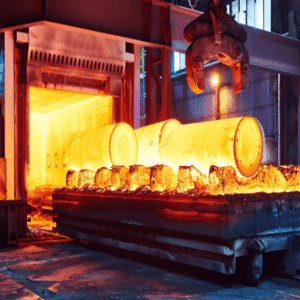
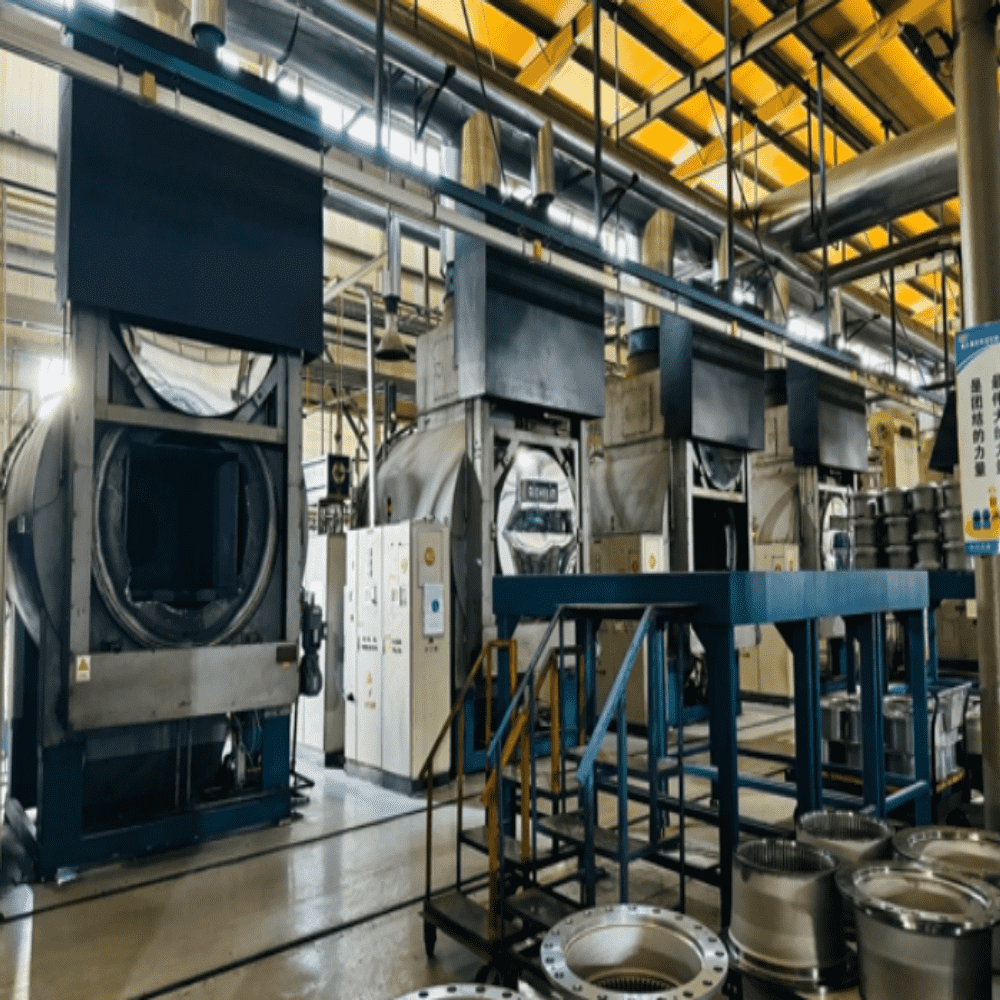
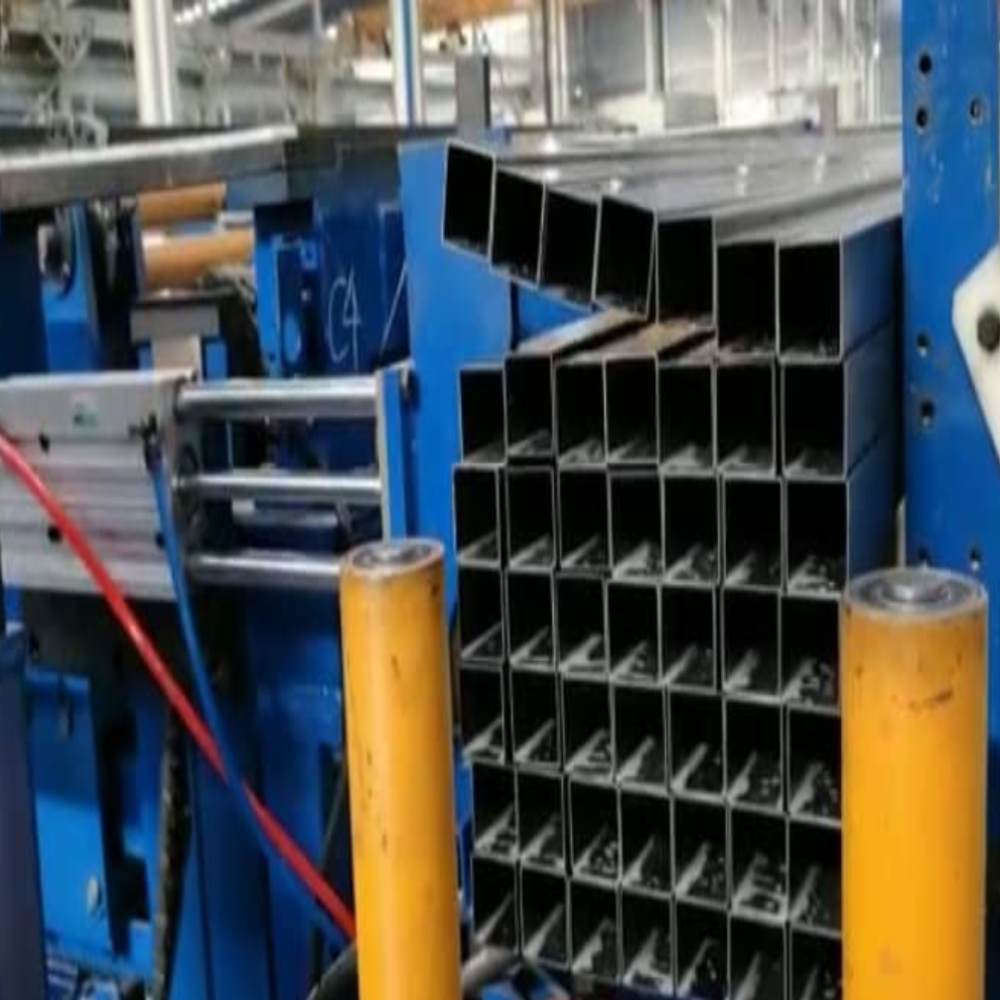
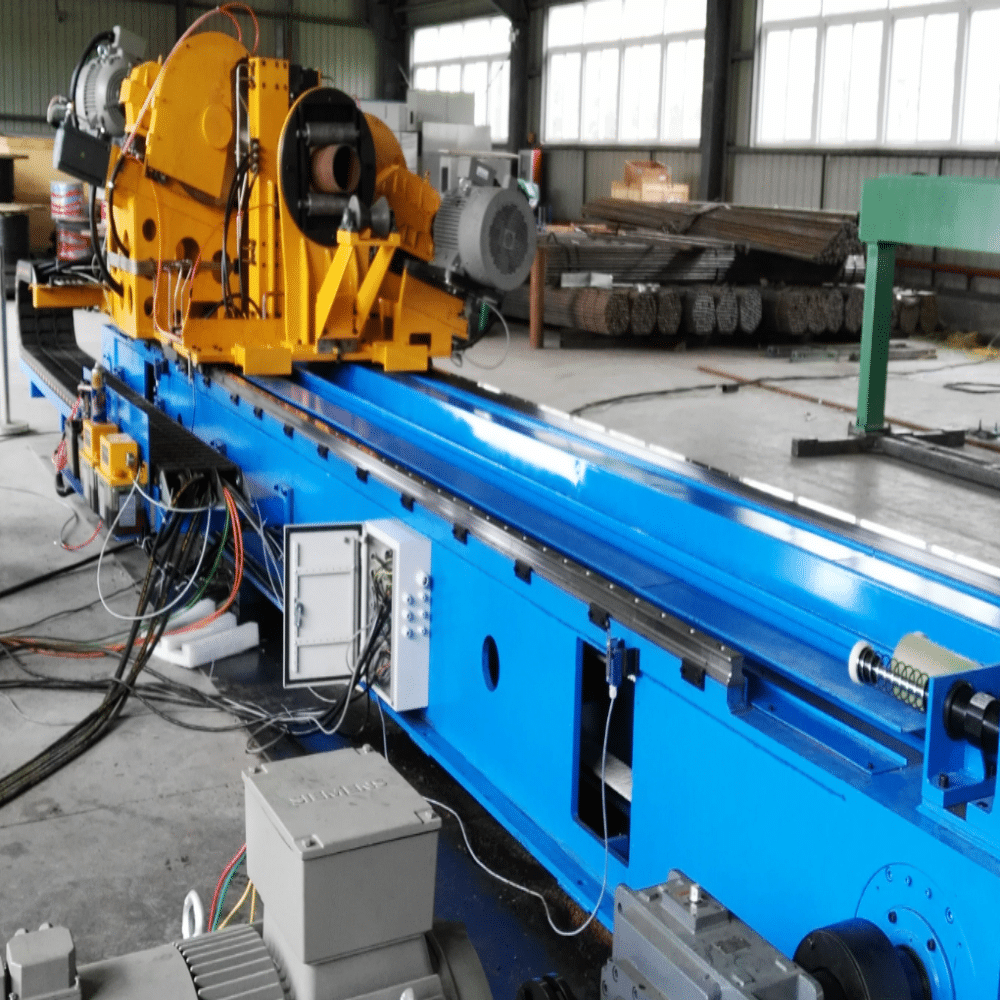
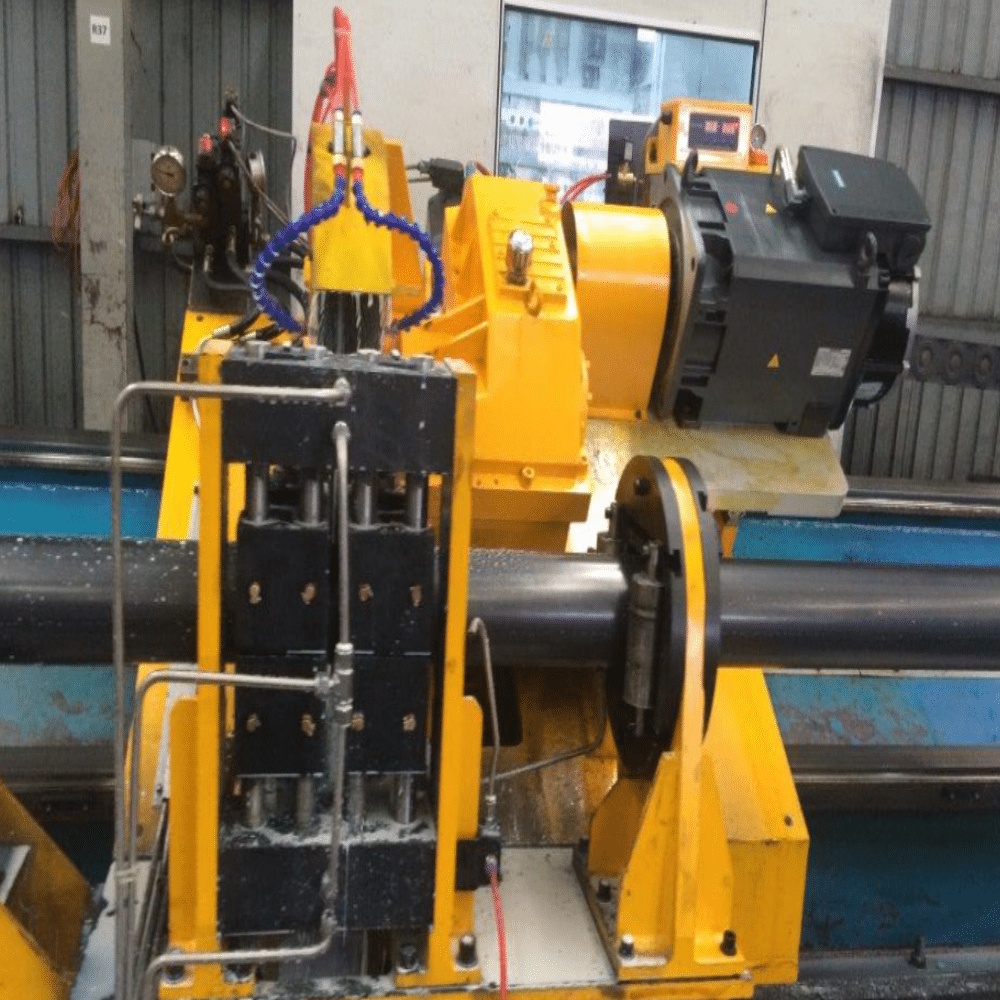
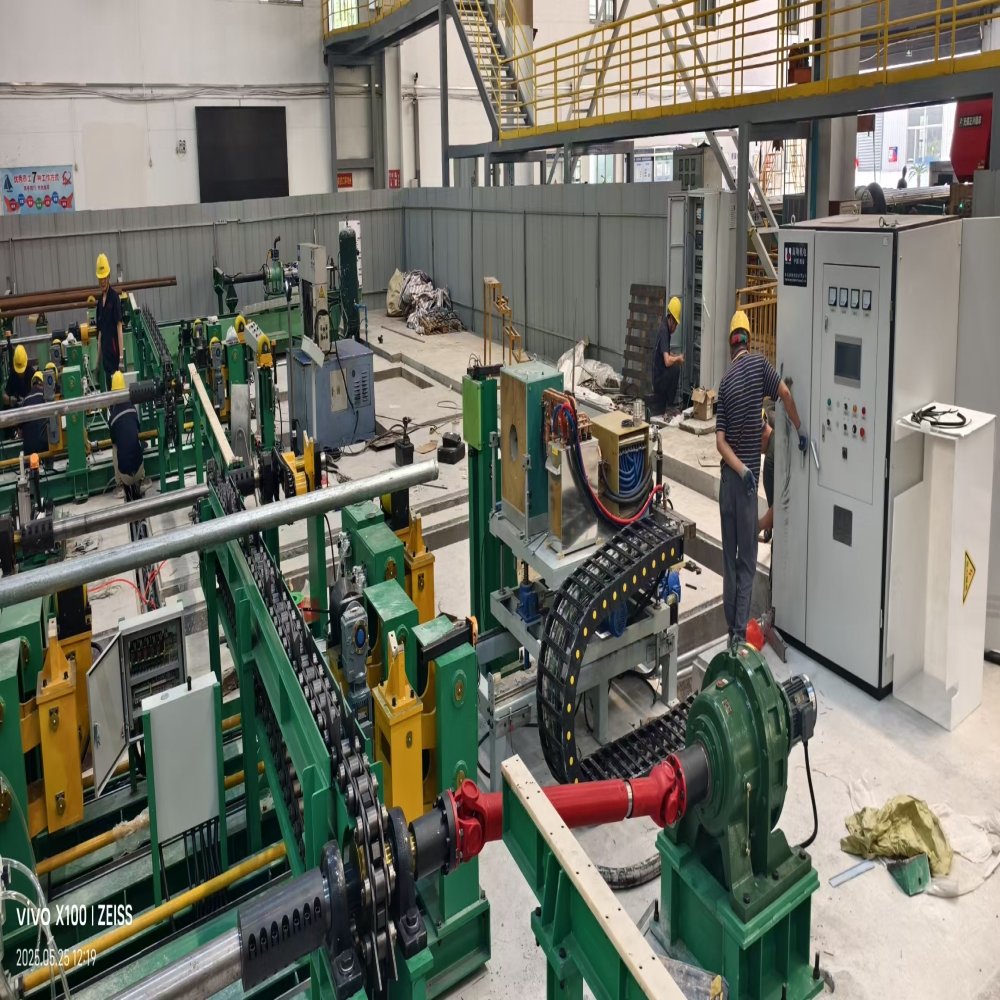
Heat treatment line is a fully automated, continuous industrial production system designed for standardized heating, quenching, tempering, annealing, normalizing and stress relieving of metal workpieces. As a core solution for metal mechanical property optimization, our custom heat treatment production line is widely applied in steel bars, metal pipes, strips, hardware parts and mechanical components, delivering stable, high-precision and energy-efficient thermal processing for global manufacturing enterprises.
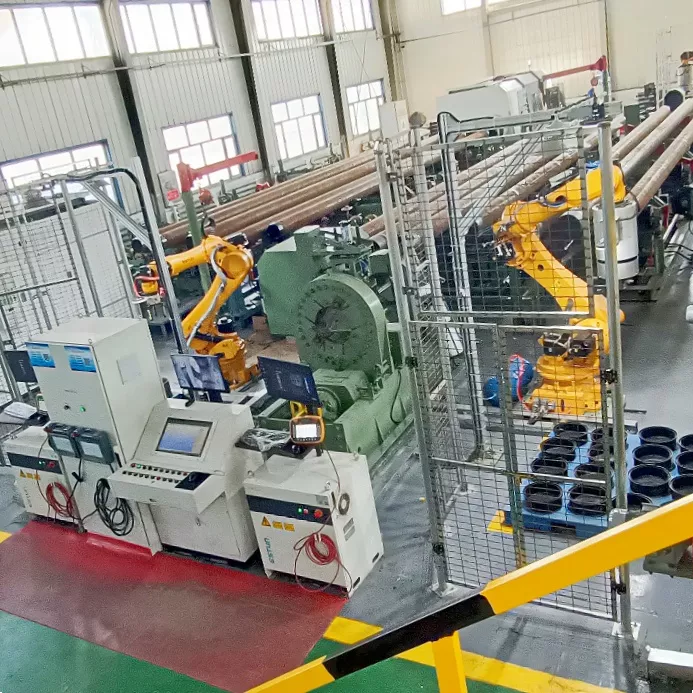
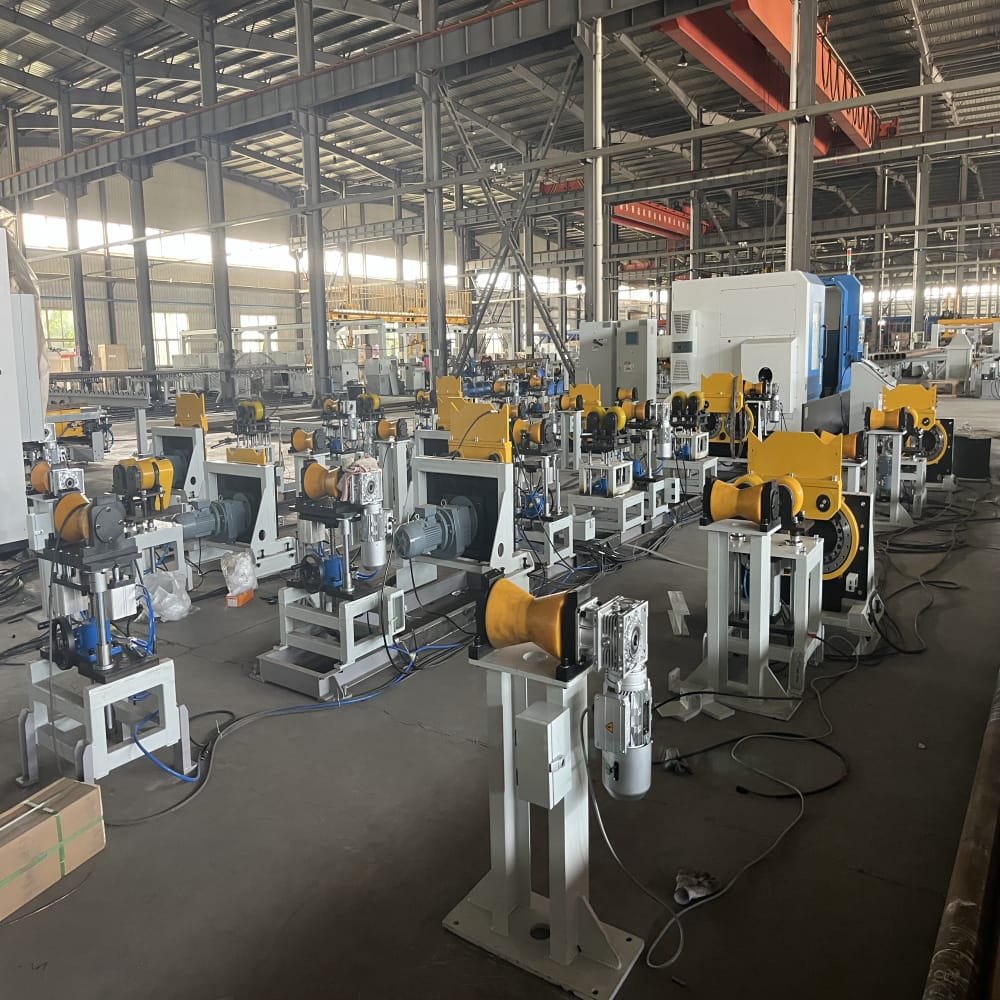
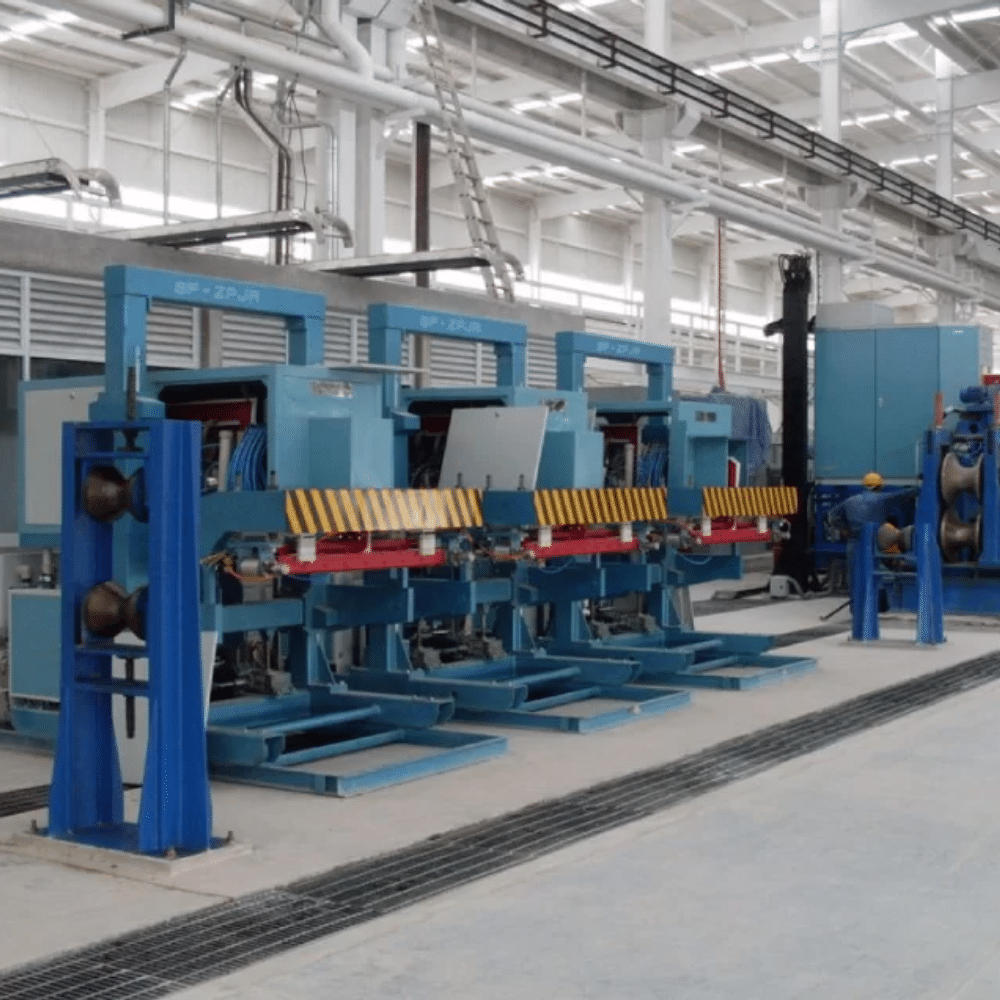
Built with mature industrial induction heating and roller hearth transmission technology, our continuous heat treatment line integrates feeding, heating, rapid quenching, tempering, dewatering, constant-temperature cooling and intelligent control into one streamlined workflow. It replaces traditional batch-type furnace processing, effectively solving the pain points of unstable hardness, inconsistent microstructure, low productivity and high energy consumption in manual heat treatment operations. This turnkey heat treatment solution ensures uniform mechanical performance for every finished workpiece.
1. Core Heat Treatment Equipment
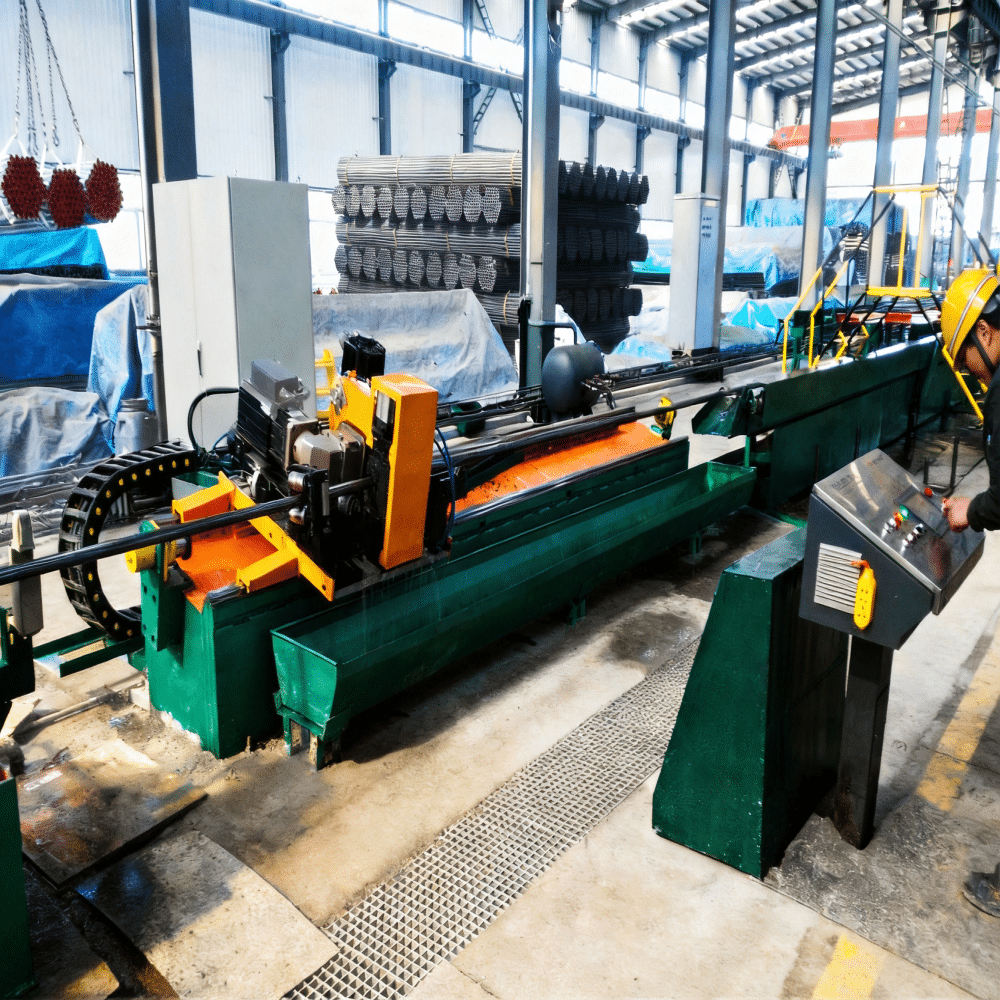
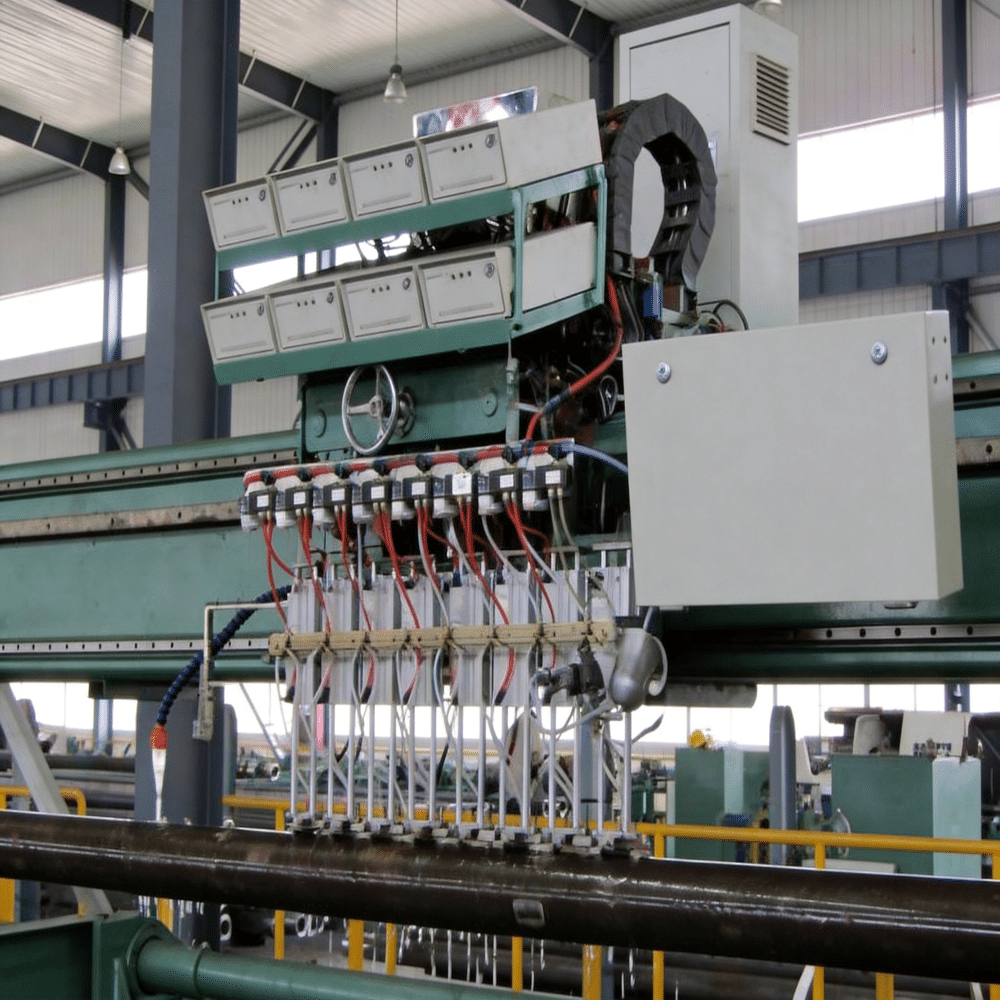
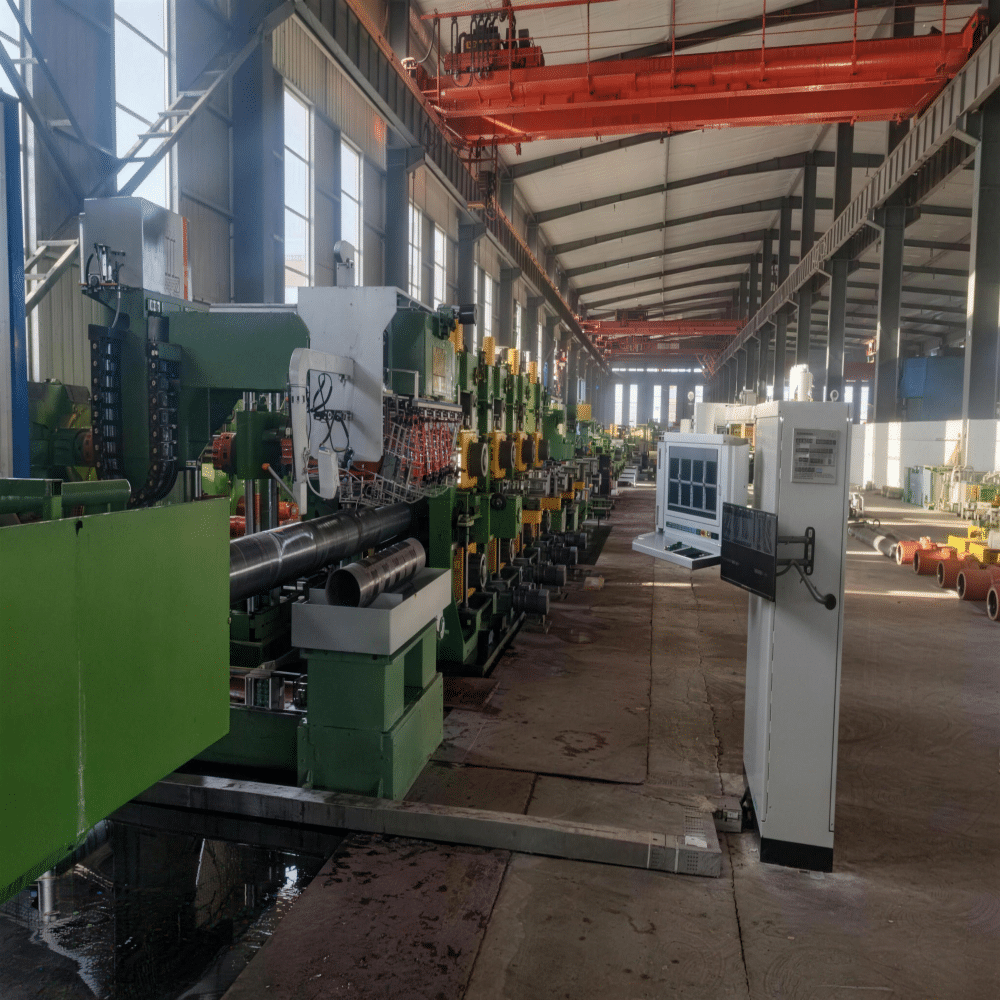
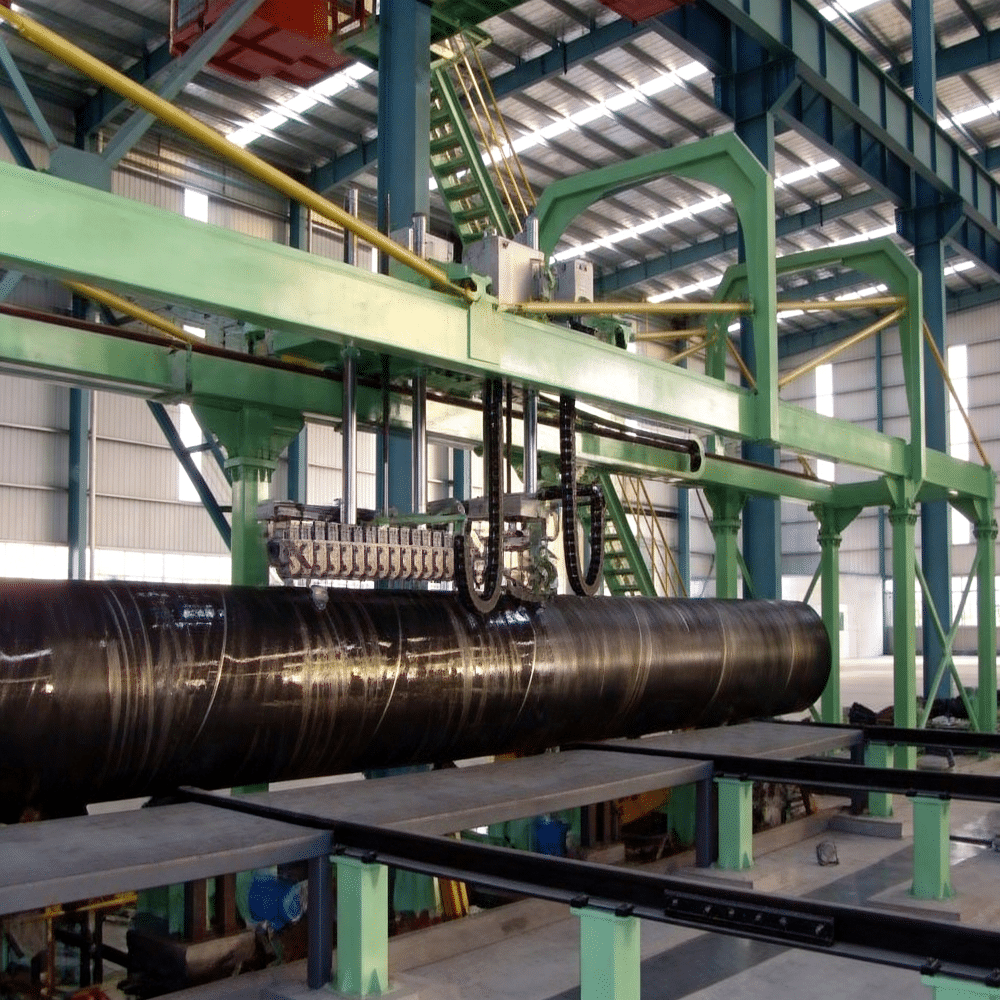
Industrial heat treatment systems consist of standardized heating, cooling, and control units, ensuring consistent processing quality for mass production and precision component manufacturing.
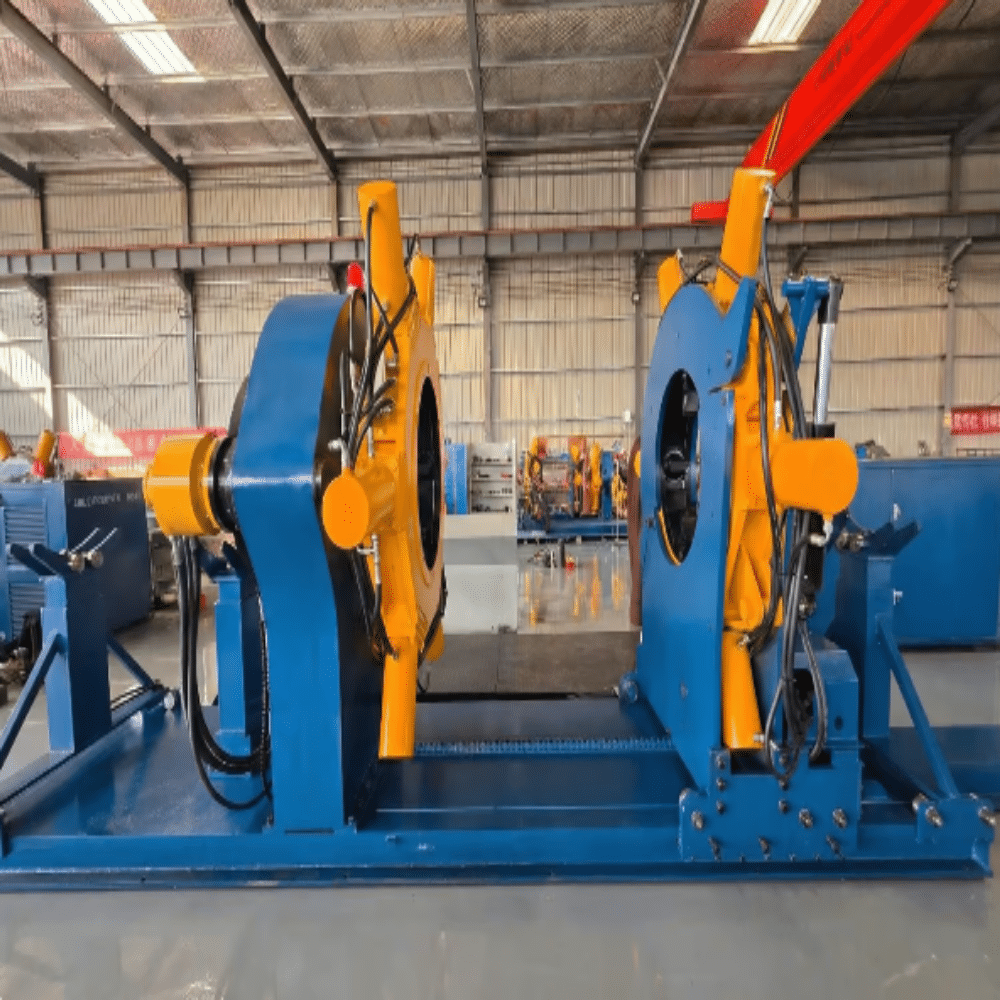
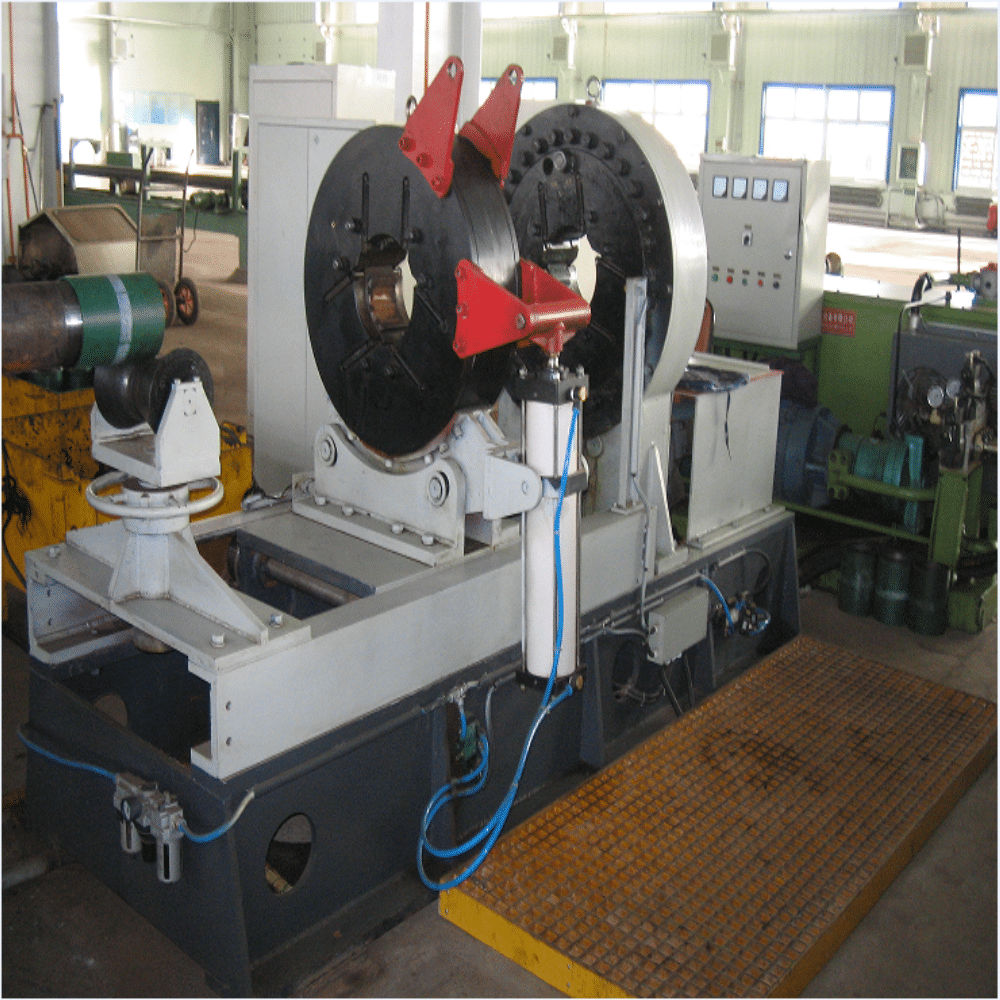
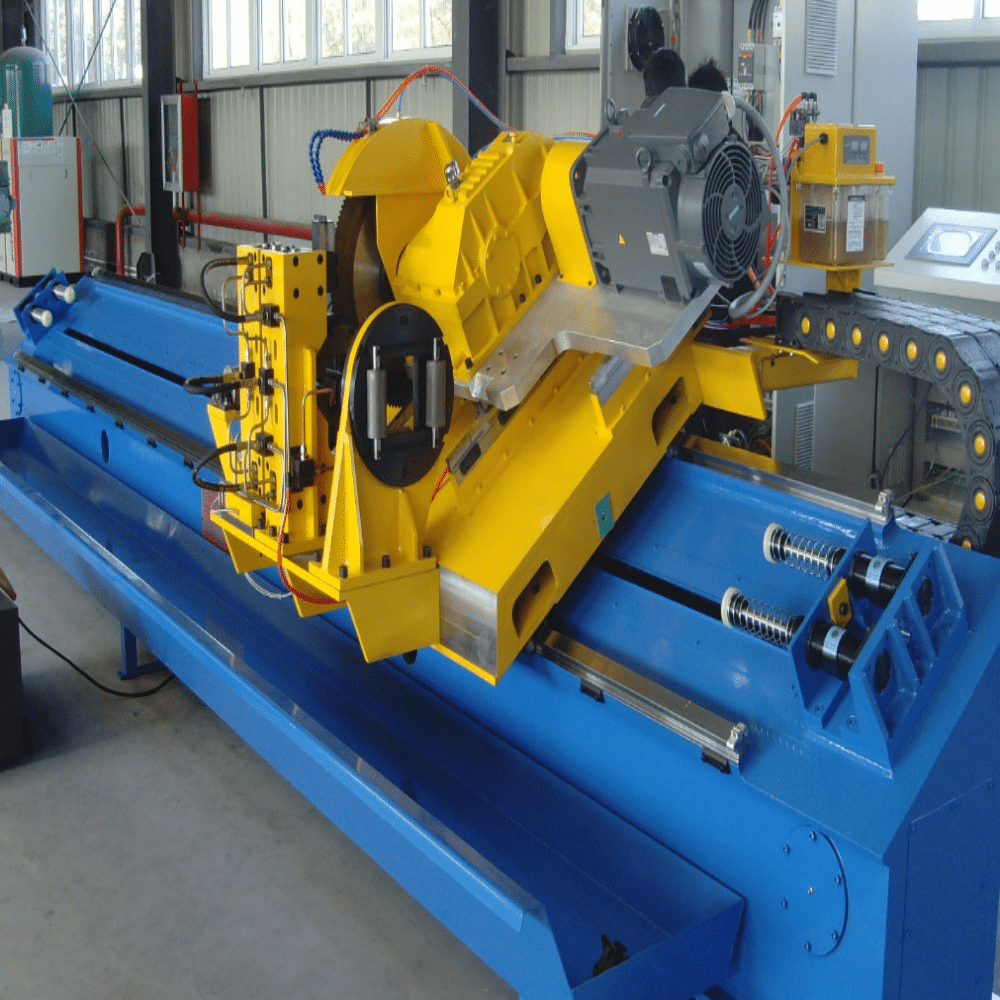
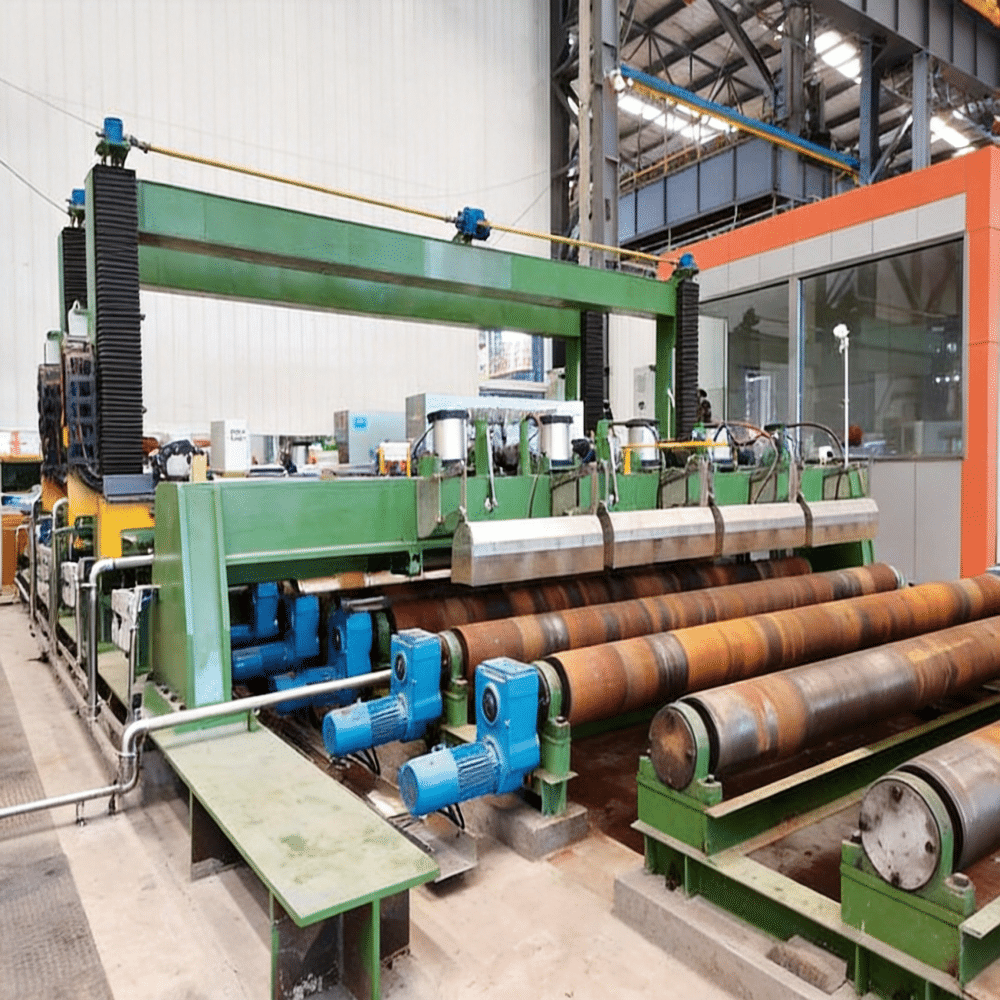
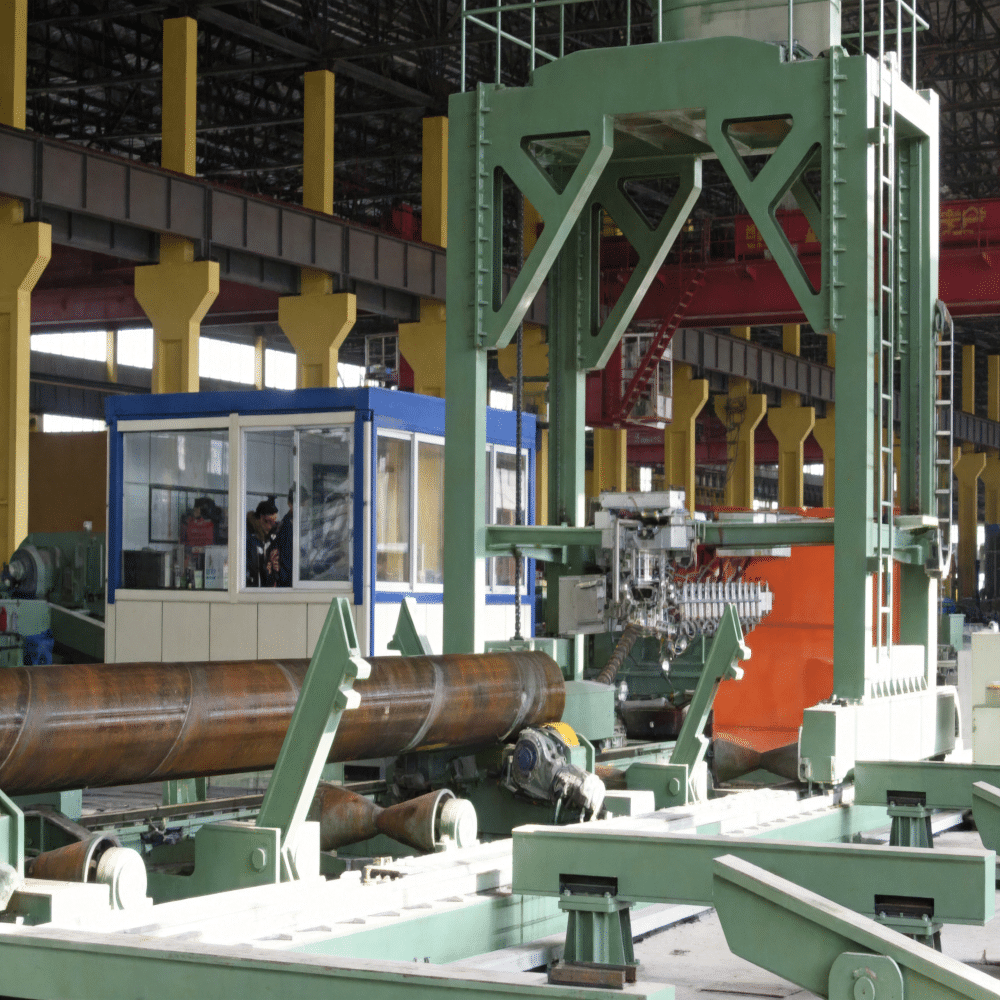
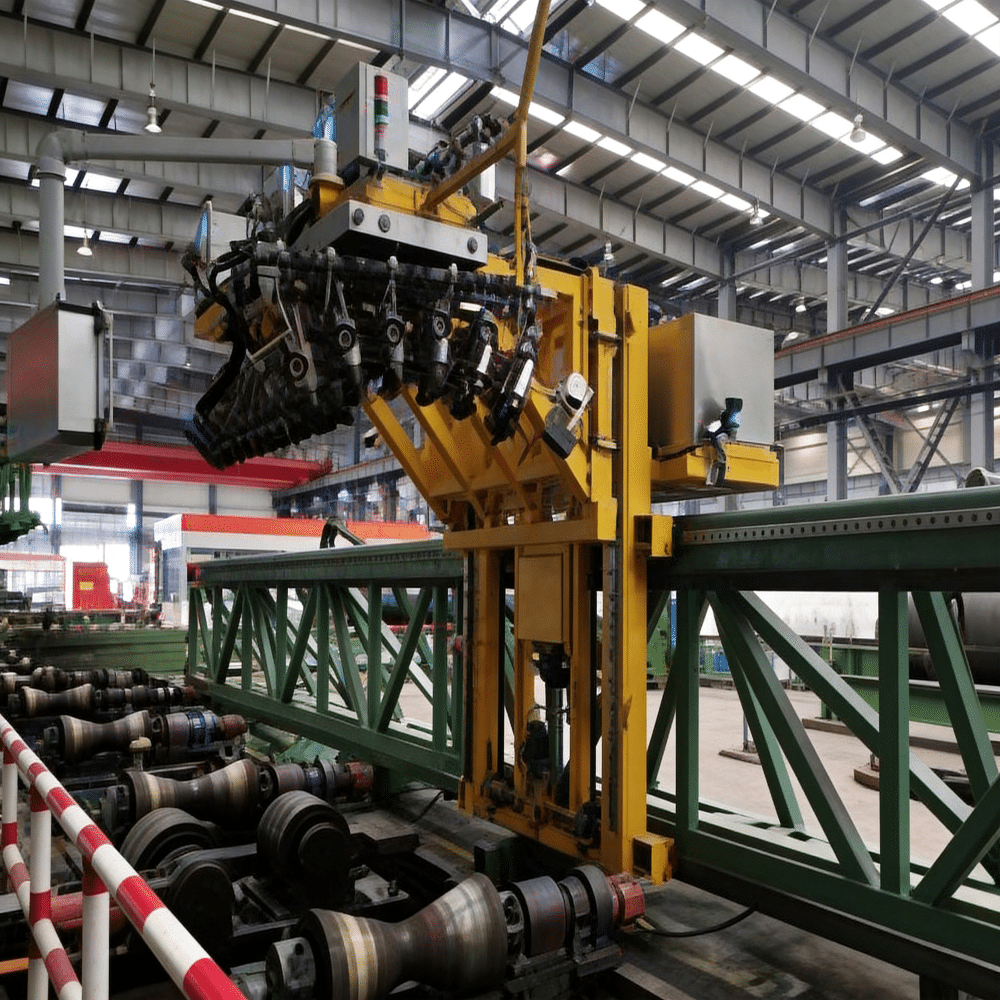
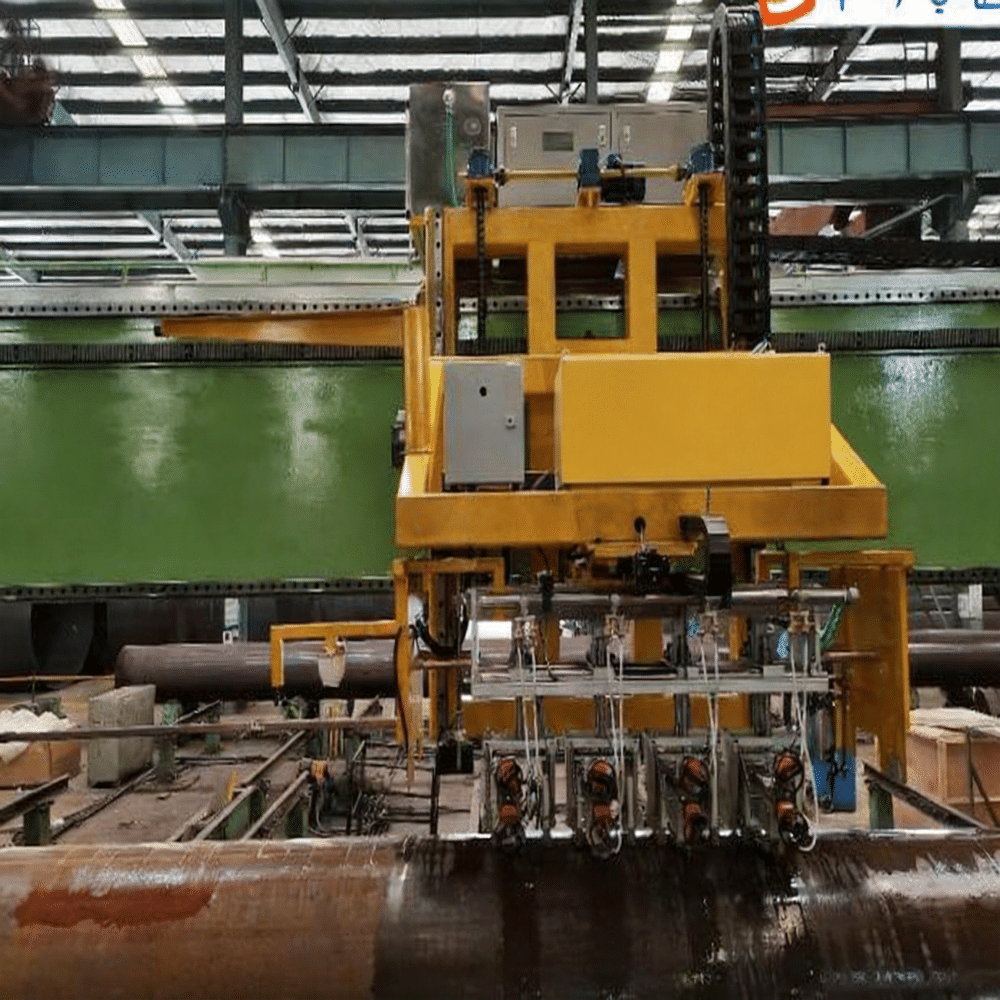
Heating Furnaces are the foundational equipment. Resistance furnaces and gas-fired furnaces are widely used for general annealing, normalizing, quenching and tempering, featuring stable temperature uniformity. Vacuum furnaces are adopted for high-precision parts to prevent oxidation and decarburization. Induction heating equipment delivers localized, rapid heating for surface hardening, minimizing material distortion. Specialized types such as bogie hearth furnaces and pit furnaces cater to large-sized steel structural parts and long pipe workpieces respectively.
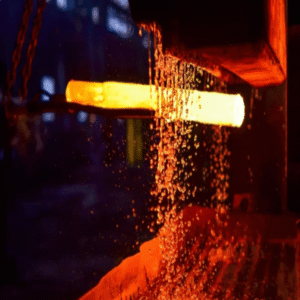
Cooling and Quenching Devices support controlled cooling to match different process requirements. Quenching tanks with water, oil, or polymer media enable rapid cooling for hardening processes. Air cooling systems with uniform airflow control are specially configured for normalizing treatment to ensure steady grain refinement.
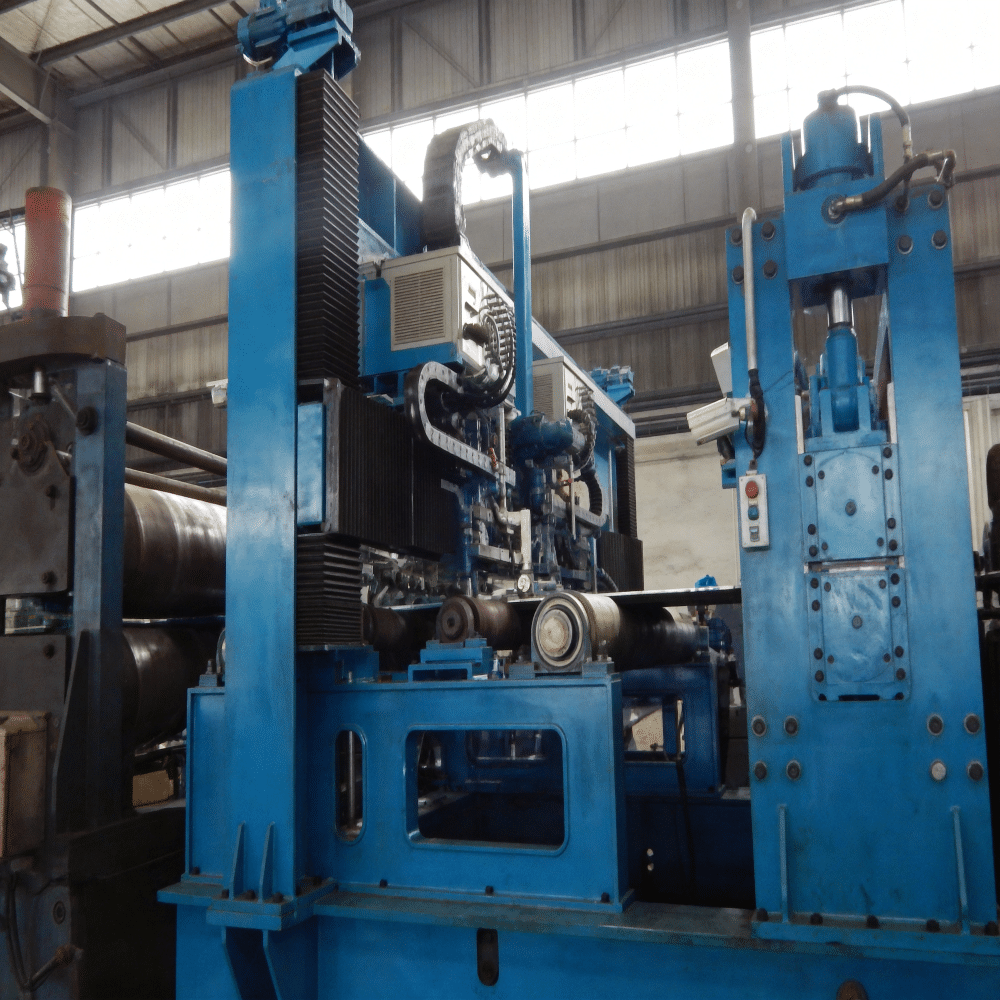
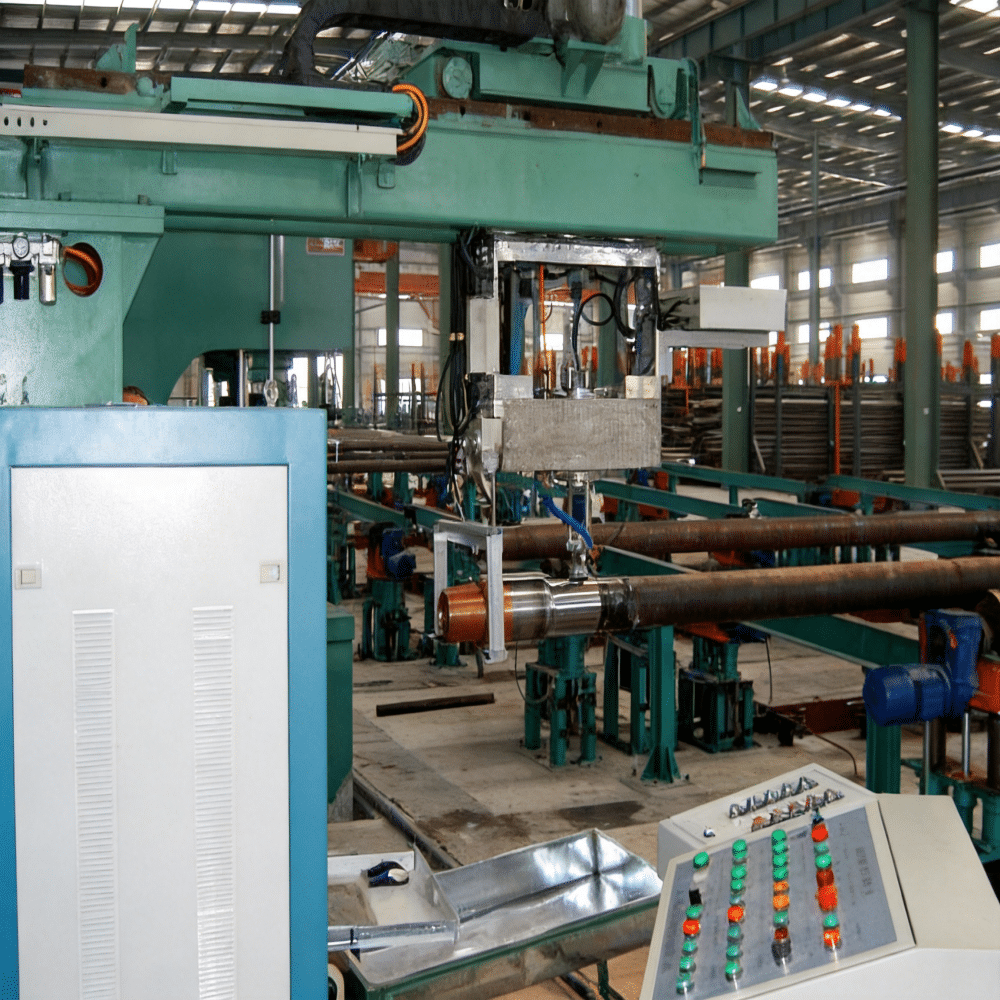
Intelligent Control and Testing Systems serve as the precision guarantee. PLC-based intelligent control panels monitor and adjust temperature, holding time, and cooling speed in real time. Auxiliary testing equipment including metallographic microscopes and hardness testers verifies microstructure optimization and final mechanical performance after treatment.
2. Standard Heat Treatment Processing Procedures
All conventional heat treatment follows a unified three-stage principle: heating, temperature holding, and controlled cooling, with parameter variations for annealing, normalizing, quenching, and tempering.
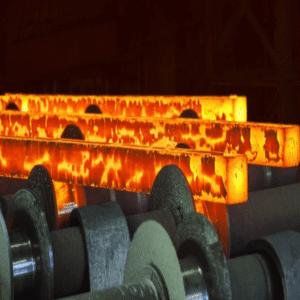
Heating Stage: Workpieces are heated to the preset critical temperature according to material grades and processing targets. Intelligent temperature regulation ensures uniform heat penetration, avoiding overheating or underheating that damages the internal microstructure.
Holding Stage: The target temperature is maintained for a specific duration to achieve consistent grain recrystallization and uniform microstructure distribution throughout the workpiece. This step eliminates internal residual stress generated by machining, forging, or welding.
Controlled Cooling Stage: This is the key to distinguishing different heat treatment processes. Annealing adopts furnace slow cooling to reduce material hardness, improve machinability, and thoroughly relieve internal stress. Normalizing applies natural air cooling to refine grain structure, enhance material uniformity, and improve overall mechanical toughness. Quenching uses rapid medium cooling to form high-hardness martensitic microstructure, while subsequent tempering reheats quenched parts at low temperatures to eliminate brittleness, balance strength and toughness, and stabilize component dimensions.
3. Process Advantages and Industrial Value
Equipped with intelligent control and professional supporting equipment, standardized heat treatment stabilizes material microstructure, unifies batch product performance, and extends the service life of steel bars, metal pipes, hardware parts, and mechanical components. It effectively reduces product failure caused by unbalanced hardness, residual deformation, and structural defects, meeting high-standard requirements for precision machinery and industrial manufacturing.
 English
  Español
  Русский
  العربية
  Français
  Português